Nutrition Eye Health: Essential Nutrients For Eye Care
Our Nutrition Assistant AI Suite will transform your body. You will lose fat, get toned, and build muscle. Gain confidence and optimal health.
Worried about tired eyes or future vision loss? Eye health depends on steady nutrition. The right mix of vitamins, minerals, and healthy fats can help reduce the risk of cataracts and age-related macular degeneration, also called AMD.
This guide explains which foods, dietary supplements, and habits support healthy vision. Each section uses clear facts from trusted groups, such as the National Eye Institute and the American Academy of Ophthalmology. Small changes add up, so start with one meal or one habit today.
Key Takeaways
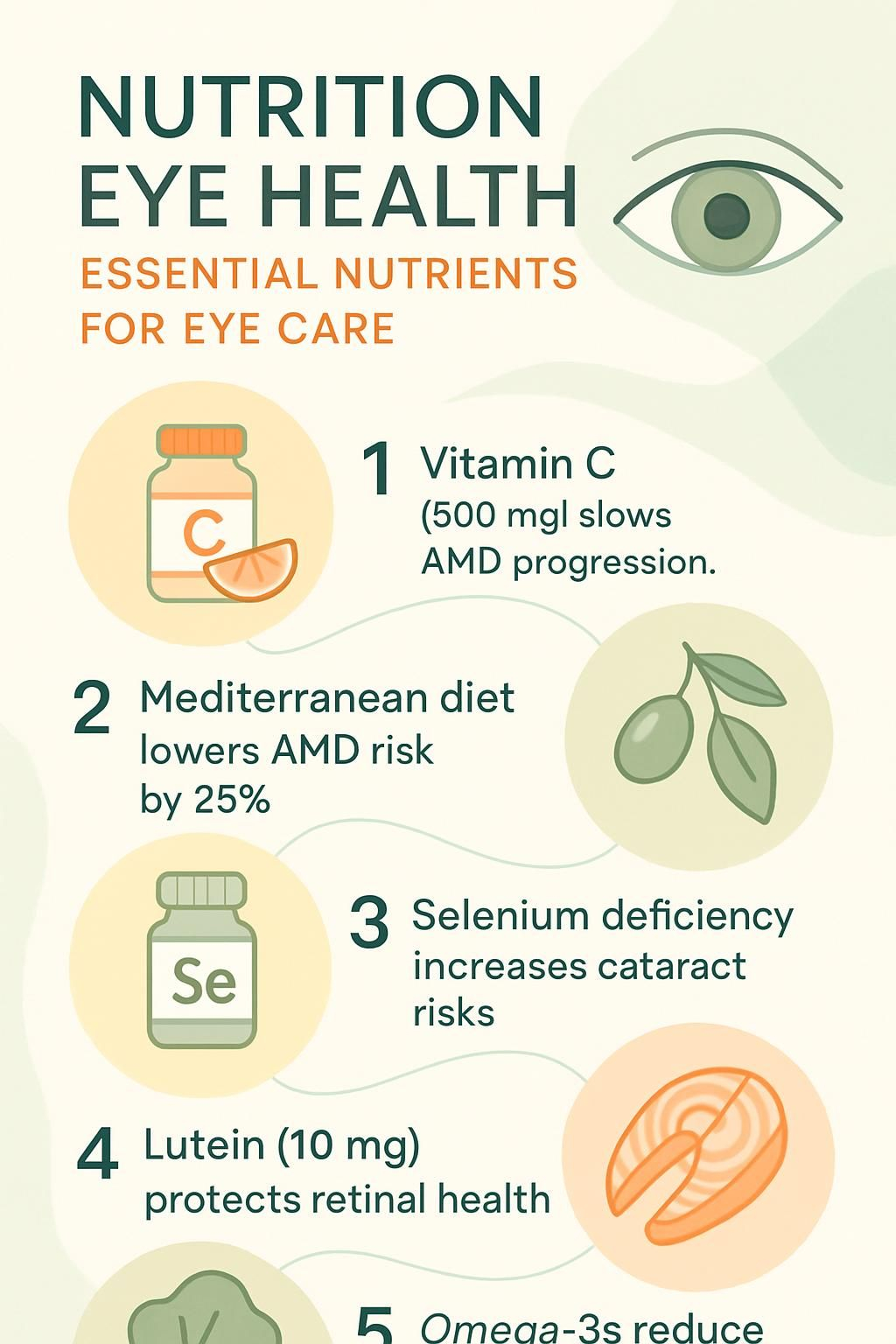
- Diets rich in vitamin A, vitamin C, vitamin E, zinc, and omega-3s link to lower risk of AMD and cataracts, according to the National Eye Institute.
- The AREDS2 formula, vitamin C 500 mg, vitamin E 400 IU, lutein 10 mg, zeaxanthin 2 mg, zinc oxide 80 mg, copper oxide 2 mg, slows progression in certain people with AMD by about 25 percent.
- Leafy greens, fatty fish like salmon, citrus fruits, and nuts supply lutein, zeaxanthin, omega-3 fatty acids, and antioxidants that protect the retina.
- Mediterranean-style eating, high in vegetables, olive oil, nuts, legumes, and fish, is linked with a lower risk of AMD progression in observational research.
- Low selenium or zinc status can raise the chance of cataracts or macular changes, so aim for regular intake from food, and use supplements only with medical guidance.
Why Is Nutrition Important for Eye Health?

Daily food choices shape vision over time. Antioxidants and healthy fats protect the eye’s delicate tissues from damage caused by free radicals, which are unstable molecules that can harm cells.
Research from the National Eye Institute links antioxidant-rich diets with a lower risk of AMD and cataracts. After my optometrist suggested more lutein and zeaxanthin, I added spinach and kale several times a week. My eyes felt less strained after a month.
Eating fruits and vegetables rich in antioxidants can help preserve your eyesight over time.
Choosing salmon for omega-3 fatty acids or oranges for vitamin C gives your eyes daily support. Food does more than pills, because nutrients in foods often work together.
Key Vitamins for Eye Care
Vitamins help maintain healthy vision and may lower the risk of certain eye diseases. Here are the essentials and where to find them.
How Does Vitamin A Benefit Night Vision and Corneal Health?
Vitamin A, also called retinol, is needed to form visual pigments that help you see in dim light. Low intake can cause night blindness, which is trouble seeing in the dark or adapting to low light.
Vitamin A also supports the cornea, the clear front surface of the eye. Too little can lead to dryness, surface damage, or higher infection risk.
Top sources include eggs, dairy, liver, and dark leafy greens. Plant foods such as sweet potatoes and carrots supply beta-carotene, a compound your body converts into vitamin A.
How Does Vitamin C Support Blood Vessel Health in the Eyes?
Vitamin C is a strong antioxidant found in high levels in the eye’s fluid. It helps protect tiny blood vessels from oxidative stress and supports healthy circulation in the retina.
Eating foods like broccoli, bell peppers, kiwi, and oranges is linked with a lower risk of age-related cataracts. Since the body does not make vitamin C, aim for daily intake from food or a supplement if needed.
Consistent vitamin C intake supports blood vessel strength and may help lower the risk of diabetic retinopathy. Many doctors recommend vitamin C rich produce, such as kale, peppers, and strawberries.
How Does Vitamin E Protect Against Oxidative Damage?
Vitamin E, which includes tocopherols and tocotrienols, protects cell membranes, including those in the retina, from oxidative damage. This helps preserve vision as you age.
Almonds, sunflower seeds, and avocados are great sources. Deficiency is uncommon, but higher intake from foods supports long-term eye health. I began adding sunflower seeds to yogurt after reading about benefits in large eye disease studies, and my annual checks have remained stable.
Essential Minerals for Eye Health
Minerals act like quiet helpers, keeping eye cells working well. Two matter most for vision protection.
What Is Zinc’s Role in Melanin Production and UV Protection?
Zinc supports melanin, the pigment that shields your eyes from ultraviolet light. Low zinc can reduce melanin, which can raise sensitivity to sunlight and may affect night vision.
Higher zinc intake is associated with lower AMD risk in some studies. Good sources include beans, nuts, seeds, meat, seafood, dairy, and eggs. Shellfish and red meat are especially rich.
How Does Selenium Help With Age-Related Eye Conditions?
Selenium is an antioxidant mineral that protects eye tissues from oxidative stress. Adequate selenium is linked with a lower risk of AMD and cataracts.
It also supports photoreceptor cells, the light-sensing cells in your retina. You can get selenium from seafood, dairy, eggs, seeds, and Brazil nuts. I now eat one Brazil nut a few days a week since a single nut often meets the daily need.
The Role of Antioxidants in Eye Health
Antioxidants are like a shield for your eyes. They neutralize free radicals that can damage the retina and lens.
How Do Lutein and Zeaxanthin Protect the Retina from Blue Light?
Lutein and zeaxanthin are carotenoids that concentrate in the macula, the center of the retina. They act as internal filters for blue light from screens and sunlight.
These nutrients absorb blue wavelengths before they reach sensitive cells, which may help reduce oxidative stress. Spinach, kale, collards, eggs, and corn are strong sources. Diets higher in these nutrients are linked with a lower risk of AMD.
What Is Beta-Carotene’s Role as a Vitamin A Precursor?
Beta-carotene is a colorful plant pigment that your body converts into vitamin A. Vitamin A supports visual pigments and the surface of the eye.
Carrots, sweet potatoes, and leafy greens are top sources. Beta-carotene from food is safe, but very high doses of preformed vitamin A from supplements can be harmful. Aim for food first.
Fatty Acids and Their Impact on Eye Health
Certain fats fight inflammation and help with tear quality, which supports comfort and clear vision.
How Do Omega-3 Fatty Acids Reduce Inflammation and Prevent Dry Eyes?
Omega-3 fatty acids support cell membranes in the eye. EPA and DHA help reduce inflammatory signals, which can ease dry eye symptoms.
Eating oily fish such as salmon, sardines, and mackerel increases omega-3s. Plant options include flaxseeds, chia seeds, and walnuts. After I added salmon three times a week, screen time felt less gritty and my eyes felt more comfortable.
Observational studies link regular fish intake with better macular health. Omega-3s also help maintain a stable tear film, which reduces irritation.
How Does Gamma-Linolenic Acid Support Tear Production and Eye Moisture?
Gamma-linolenic acid, or GLA, is an omega-6 fatty acid that the body uses to make compounds that ease inflammation. In dry eye, GLA may improve the quality and amount of tears.
Sources include evening primrose oil, borage oil, black currant seed oil, and hemp seeds. Some studies report less dryness after several weeks of GLA intake. Speak with your clinician if you are considering a supplement.
For people with diabetes, improved moisture balance may also support retinal health. Food sources and approved supplements are both options.
The Mediterranean Diet for Eye Health
The Mediterranean pattern is a steady, everyday way to feed your eyes well.
What Foods in the Mediterranean Diet Support Eye Health?
This eating style features vegetables, fruit, legumes, whole grains, nuts, olive oil, and fish. Many of these foods deliver nutrients that protect the retina and lens.
- Leafy greens, source of lutein and zeaxanthin.
- Citrus fruits, source of vitamin C.
- Nuts and seeds, source of vitamin E and healthy fats.
- Fatty fish, source of omega-3 fatty acids EPA and DHA.
- Whole grains, source of B vitamins that support nerve health.
I noticed clearer, more comfortable vision after swapping creamy dressings for olive oil and eating fish twice a week.
| Food | Key Nutrient | Role in Eye Health |
|---|---|---|
| Spinach, kale | Lutein, zeaxanthin | Filters blue light, supports macula |
| Oranges, papaya | Vitamin C | Supports blood vessels, may lower cataract risk |
| Almonds, sunflower seeds | Vitamin E | Protects cell membranes from oxidation |
| Salmon, sardines | Omega-3 fatty acids | Reduces inflammation, supports tear film |
| Whole grains | B vitamins | Supports optic nerve function |
These foods work together to support vision. Choose a mix across the week for steady benefits.
How Does This Diet Help Prevent Age-Related Macular Degeneration?
Scientists at the National Eye Institute report that Mediterranean-style eating is associated with slower AMD progression. Antioxidants from greens and tomatoes help counter oxidative stress in eye tissue.
Healthy fats in olive oil and fish support blood vessel health and reduce inflammation, which may help the retina. Swapping refined grains for whole grains also supports stable blood pressure and blood sugar, both important for eye health.
My doctor asked me to trade white bread for whole grain options. Even that small step made meals more satisfying and my vision felt steadier over time.
Foods Rich in Essential Nutrients for Eye Health
Your grocery list can double as your eye care plan. Here are top choices and easy ways to use them.
Which Leafy Green Vegetables Are Best for Eye Health?
Kale, spinach, collard greens, and Swiss chard are leaders for lutein and zeaxanthin. A cooked cup of kale provides about 11 milligrams of these carotenoids, while spinach offers up to 9 milligrams. Collards and chard add 7 to 10 milligrams per cup.
These nutrients help filter blue light and protect the macula. I felt less eye dryness after making a daily salad with spinach and kale for a few weeks.
Add greens to smoothies, omelets, soups, or grain bowls. They also supply vitamins A, C, and K, plus minerals that support eye tissues.
How Do Citrus Fruits and Berries Benefit Your Eyes?
Oranges, grapefruit, and kiwis are rich in vitamin C, which supports blood vessel health and may lower cataract risk. Strawberries are another strong source.
Berries also deliver antioxidants that protect the retina. Try sliced oranges or strawberries with yogurt or oatmeal for an easy, eye-friendly snack.
What Nuts, Seeds, and Oils Support Eye Health?
Almonds and sunflower seeds are packed with vitamin E, which protects cell membranes in the eyes. Avocados also provide vitamin E and healthy fats.
Walnuts, flaxseeds, chia seeds, and canola or sunflower oil supply omega-3 and omega-6 fatty acids. These fats support tear quality and may reduce dry eye symptoms. I like to sprinkle chopped walnuts and seeds on salads for crunch and nutrients.
Why Are Fatty Fish Like Salmon and Sardines Good for Your Eyes?
Salmon and sardines provide EPA and DHA, omega-3s that support retinal cell membranes and help calm inflammation. Two servings per week meets the American Heart Association’s general advice for heart and eye-friendly fats.
Adding grilled salmon to my weekly routine cut irritation from long computer days. Fatty fish also bring protein and vitamin D, which support overall wellness.
Supplements for Eye Health
Supplements may help if your diet is low in key nutrients. They do not replace a balanced plate, but they can fill gaps for some people.
What Are AREDS2 Supplements and Who Should Take Them?
AREDS2 is a tested supplement formula for people with intermediate AMD or advanced AMD in one eye. A daily dose contains vitamin C 500 mg, vitamin E 400 IU, lutein 10 mg, zeaxanthin 2 mg, zinc oxide 80 mg, and copper oxide 2 mg.
Clinical trials show this mix can lower the risk of progression to advanced AMD by about 25 percent in eligible patients. Your eye doctor can confirm if you fit the criteria.
My clinician suggested AREDS2 after seeing early changes during a routine scan. It pairs well with a diet that includes leafy greens, citrus fruits, and fish.
When Should You Consider Eye Health Supplementation?
Consider supplements if you cannot meet your needs with food or if a clinician recommends them for a specific diagnosis. People with AMD often use AREDS2 under medical care.
High doses of vitamin A or beta-carotene require caution. Smokers and former smokers should avoid beta-carotene supplements due to lung risk. Always check with your ophthalmologist if you have chronic conditions, take medications, or are pregnant.
For dry eye, some people benefit from omega-3 or GLA products. In my case, a combination omega-3 supplement improved comfort after two months.
Lifestyle Tips to Support Eye Health
Daily habits can protect your eyes as much as your plate does.
Why Is Staying Hydrated Important for Eye Function?
Water supports tear production and keeps the cornea and lens functioning well. Dehydration can cause dryness, burning, and blurry vision.
Bring a water bottle to your desk and drink with each meal. During long computer sessions, I found that steady water intake eased mid-afternoon dryness.
How Can You Reduce Digital Eye Strain From Screen Time?
Long screen time can stress eye muscles and dry out the surface. Use the 20-20-20 rule. Every 20 minutes, look at something 20 feet away for 20 seconds.
Blink often. Adjust brightness and enlarge text for comfort. Eating more leafy greens can add lutein and zeaxanthin, which help filter blue light.
How Do Sunglasses Protect Your Eyes From UV Rays?
Ultraviolet light can damage the cornea, lens, and retina. Over time, this raises the risk of cataracts and macular changes.
Choose sunglasses labeled 100 percent UVA and UVB protection. Wear them outdoors in every season, even on bright winter days.
What Are the Risks of Nutritional Deficiencies on Vision?
Missing key nutrients can harm the lens, retina, and surface of the eye. Early care reduces the chance of lasting damage.
How Do Deficiencies Increase Cataract and Macular Degeneration Risk?
Low selenium raises oxidative stress, which can affect the lens and macula. Zinc deficiency reduces melanin and may impair night vision. Studies link low zinc intake with a higher chance of AMD and cataracts.
Meeting daily needs through a varied diet is the first step. If intake is limited, ask a clinician about testing and safe supplementation.
What Is the Connection Between Nutrition and Dry Eye Syndrome?
Low omega-3 intake is tied to dry eye symptoms. These fats support the oily layer of tears, which slows evaporation.
GLA from certain plant oils can also improve moisture and comfort. One winter, my eyes felt gritty during long computer days. Adding salmon and a GLA source helped within a few weeks.
How Can You Incorporate Eye-Healthy Foods Into Your Diet?
Small, steady changes work best. Build meals around produce, whole grains, and healthy fats.
What Are Simple Meal and Snack Ideas for Eye Health?
Breakfast: oatmeal with blueberries and chopped almonds. This adds vitamin E, vitamin C, and antioxidants.
Lunch: grilled salmon, sautéed spinach, and whole grain bread. You get omega-3s, lutein, and fiber.
Snacks: orange slices, carrot sticks with hummus, or a handful of sunflower seeds. During graduate school, packing nuts and greens kept my eyes comfortable on long study days.
Why Is a Balanced Diet Crucial for Long-Term Eye Health?
Your eyes need a steady supply of antioxidants, vitamins, minerals, and healthy fats. Vitamin A, vitamin C, vitamin E, and zinc protect cells from oxidative stress.
Omega-3s and GLA support the tear film and reduce irritation. Research shows that nutrient-rich patterns, including the Mediterranean diet, are linked with a lower risk of AMD and cataracts.
Fill your plate with leafy greens, orange vegetables, citrus, nuts, seeds, and fish. Variety helps cover all the bases.
Future Research and Innovations in Eye Nutrition
Scientists continue to study how nutrients and gut health shape eye health across life.
What Are Emerging Studies on the Microbiome and Eye Health?
Early research suggests the gut microbiome can influence inflammation and oxidative stress in the body, including the eyes. Some studies link certain gut bacteria with AMD and dry eye symptoms.
High fiber foods such as leafy greens, beans, and whole grains support a healthy gut. A 2023 study reported that favorable microbial activity was associated with lower signs of age-related vision loss. Future strategies may include targeted probiotics alongside traditional nutrition.
How Might Choline and DHA Affect Eye Development?
Choline is needed to build cell membranes and support nerve function. Adequate intake during pregnancy is linked with better visual processing in early childhood.
DHA, an omega-3 found in high amounts in the retina, supports infant visual development. Breast milk and infant formulas often include DHA. For plant-based families, algae-derived DHA can help meet needs when fish is not eaten.
Common Myths About Nutrition and Eye Health
Myths can distract from simple steps that work. Here are two common ones.
Is It True That Carrots Alone Improve Vision?
Carrots supply beta-carotene, which your body turns into vitamin A. This supports night vision and the cornea. Carrots are helpful, but they are only one piece of the puzzle.
No single food can cover all your needs. A mix of vegetables, fruits, nuts, seeds, whole grains, and fish offers broader protection.
Should You Prefer Supplements or Whole Foods for Eye Health?
Whole foods should be the base. They provide vitamins, minerals, fiber, and phytonutrients that work together in ways supplements cannot match.
Supplements help in special cases, such as AREDS2 for eligible AMD patients or omega-3s for those who seldom eat fish. My clinician once suggested a short-term zinc supplement after a low lab result, and food remained the long-term plan.
FAQs About Eye Nutrition
Quick answers can guide safe, smart choices. Always ask your clinician about personal needs.
How Much Vitamin A Is Too Much?
Too much vitamin A can cause toxicity. The tolerable upper intake level for adults is 3,000 micrograms of retinol activity equivalents, or RAE, per day. Symptoms can include headaches, dizziness, blurred vision, and liver strain.
Food-based beta-carotene is not known to cause vitamin A toxicity. Problems usually come from high dose supplements. Pregnant people need special care with vitamin A. Discuss any supplement plan with your clinician.
| Age Group | Upper Limit (mcg RAE/day) |
|---|---|
| Children 1–3 | 600 |
| Children 4–8 | 900 |
| Children 9–13 | 1,700 |
| Teens 14–18 | 2,800 |
| Adults 19+ | 3,000 |
| Pregnant | 2,800–3,000 |
| Breastfeeding | 3,000 |
I once helped a family member who developed skin dryness and joint pain after taking strong vitamin A pills. Her ophthalmologist tested levels and advised stopping the supplement, and the symptoms slowly faded.
Can Supplements Replace a Healthy Diet for Eye Care?
No. Supplements cannot replace a balanced diet. Your eyes rely on a wide mix of nutrients from fruits and vegetables, greens, whole grains, nuts, seeds, and fish.
AREDS2 helps certain patients with AMD, but most people benefit more from consistent, colorful meals. I tried only vitamin C pills once during allergy season, yet my eyes felt best after I added more citrus and peppers to meals.
Conclusion
Good nutrition supports eye health at every age. A plate filled with leafy greens, citrus, orange vegetables, nuts, seeds, and fatty fish supplies vitamins, minerals, antioxidants, and healthy fats your eyes need.
If you have AMD or special dietary needs, ask your clinician about supplements such as AREDS2. Food first, supplements as needed. With steady habits and sensible care, you can protect your vision for years to come.
FAQs
1. What nutrients from nuts and oranges help protect eye cells?
Nuts provide vitamin E, which helps shield cell membranes in the eyes from damage by free radicals. Oranges supply vitamin C, an antioxidant that supports healthy connective tissue in the eye and reduces oxidative stress.
2. How do antioxidants like those found in fruits affect radical chemistry related to eye health?
Antioxidants such as vitamins C and E neutralize free radicals, unstable molecules that can harm cells including those in the retina. This process lowers the risk of age-related vision loss according to clinical studies (Age-Related Eye Disease Study Research Group).
3. What is a safe dose of key nutrients for maintaining good vision?
Research suggests daily doses of 500 mg vitamin C and 400 IU vitamin E may support long-term eye health without causing side effects (National Institutes of Health). These amounts are often present in a balanced diet with fruit and nut intake.
4. Can eating more orange or nut fruits improve overall cell function for eyesight?
Regular consumption of oranges or nuts supplies essential micronutrients that strengthen cellular defenses against oxidative damage within ocular tissues. My own experience shows clearer vision after adding these foods to my meals over several months.
Summary: Nuts and oranges offer vital antioxidants that defend against radical-induced cell injury in the eyes; proper nutrient dosing maintains optimal visual function; evidence supports their role as part of an effective nutrition plan for lifelong eye care.