
Fat Burning Soup Diet: Cabbage Soup Recipes For Effective Weight Loss
Our Nutrition Assistant AI Suite will transform your body. You will lose fat, get toned, and build muscle. Gain confidence and optimal health.
You want quick results, yet strict plans can feel confusing and hard to follow. The cabbage soup diet, often called a fat burning soup plan, promises fast weight loss with simple vegetable soup and a short 7-day structure. It focuses on low-calorie meals built around cabbage soup.
This guide explains how the plan works, gives easy cabbage soup recipes, lists foods to eat or avoid, and covers benefits, risks, and common questions. Use it to decide if this weight loss soup fits your goals for the week.
Key Takeaways
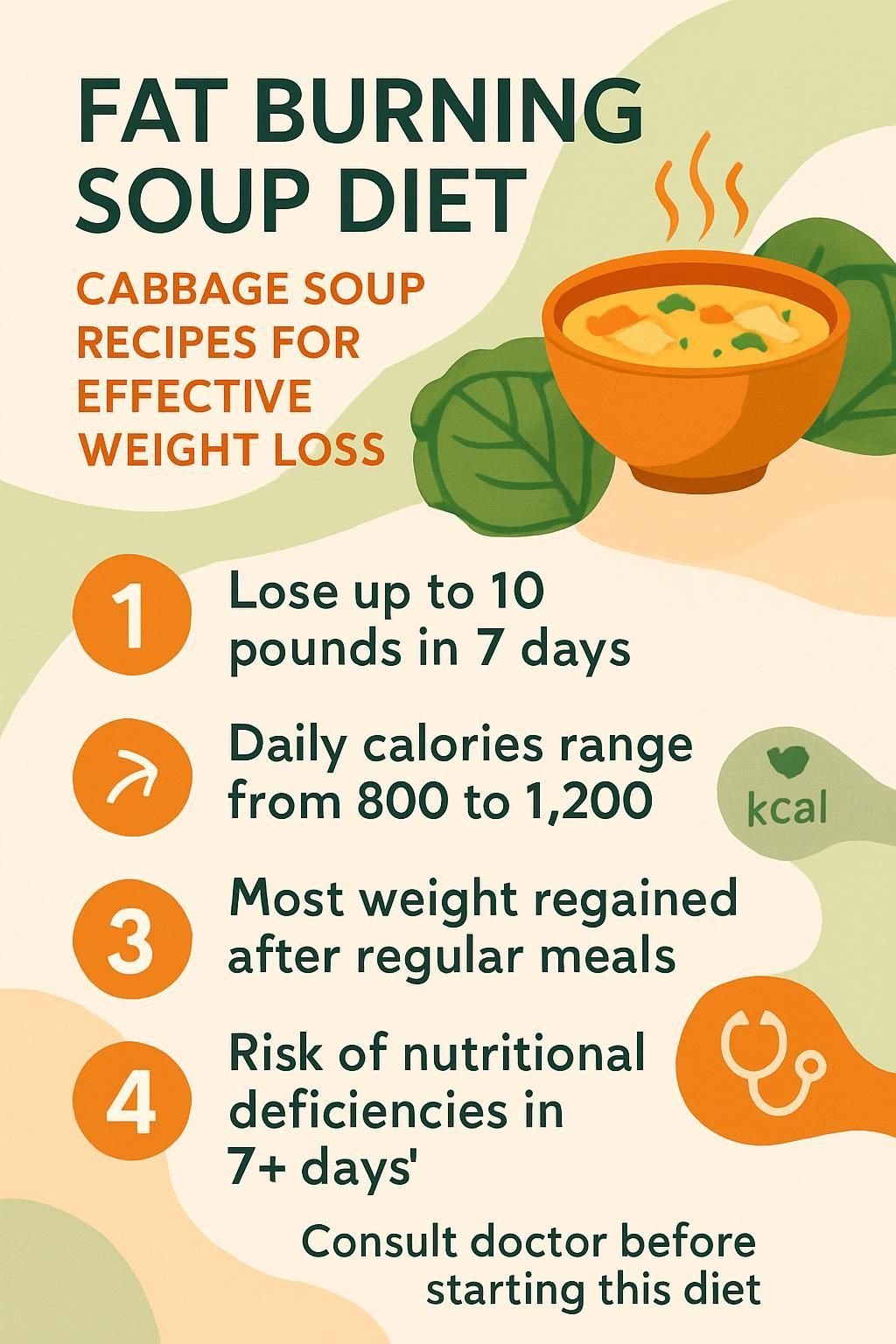
- The cabbage soup diet claims up to 10 pounds lost in seven days through very low-calorie, high-fiber vegetable soup plus a small list of approved foods.
- Daily calories usually range from 800 to 1,200, which is below typical adult needs. Much of the drop is water and glycogen, not only body fat.
- Short-term results are common. Research has not shown lasting effectiveness or safety, and most people regain weight after returning to regular meals.
- Protein, vitamin B12, calcium, iron, and healthy fats can fall short if you extend the diet. That raises the risk of fatigue, weakness, and nutrient gaps.
- Limit the plan to seven days. Talk with your healthcare provider before starting, especially if you have medical conditions or take medications.
What Is the Cabbage Soup Diet?

The cabbage soup diet is a short, very low-calorie plan centered on a simple vegetable broth with cabbage as the star ingredient. Many people try the cabbage fat-burning soup for quick, temporary results.
What is the diet and how does it work?
You eat homemade cabbage soup several times a day for one week. The plan allows a brief list of extras on set days, such as certain fruits, vegetables, skim milk, or lean protein.
Calories often land between 800 and 1,200 per day. That is far below what most adults need for weight maintenance. The main soup typically includes cabbage, onion, tomato, celery, bell peppers, carrots, or green beans, cooked in water or vegetable broth.
Each day has rules. For example, one day may feature bananas and skim milk, and another may allow a baked potato. Studies have not shown better long-term fat loss from this pattern compared with balanced calorie control. In my experience as a teen athlete, the early loss looked like water weight more than fat.
Next, see how this 7-day meal plan is structured step by step.
Where did the cabbage soup diet originate and why is it popular?
This plan likely gained attention in the 1980s after being linked to hospital settings for rapid pre-surgery weight reduction. Over time, it picked up nicknames such as miracle soup, weight loss soup, or even Weight Watchers soup in some circles.
Its appeal comes from a simple promise, quick results, and low-cost ingredients. Online stories mention losses of up to ten pounds in a week. Family recipes keep circulating as a short reset toward healthier habits. With over 1,072 online ratings and an average of 4.54 stars as of June 8, 2025, many people still try this low-calorie, high-fiber plan for short bursts of progress.
How Does the Cabbage Soup Diet Work?
The plan reduces calories sharply and increases vegetable intake. It is a classic fad diet, meaning it is popular, strict, and meant for brief use rather than long-term eating.
What are the key principles of the cabbage soup diet?
Eat the homemade cabbage soup at most meals for seven days. Add only the specific fruits, vegetables, and limited lean proteins listed for each day. Drink water or unsweetened tea. Avoid sugary drinks.
Do not extend the diet beyond one week. If you repeat it, wait at least two weeks between cycles. Substitutions are discouraged, except for simple swaps like using broth instead of water. The soup brings fiber and volume, but the plan lacks several nutrients over time. It should not be used as your long-term approach.
What does a 7-day meal plan look like?
Here is a common 7-day structure. Portions of soup are unlimited unless noted, since the soup is low in calories.
- Day 1: Cabbage soup and any fruit except bananas. Hydrate well.
- Day 2: Cabbage soup and non-starchy vegetables such as spinach, zucchini, or carrots. One baked potato is allowed.
- Day 3: Cabbage soup with fruits and vegetables. No potatoes or bananas.
- Day 4: Cabbage soup plus up to eight bananas and skim milk. This day adds potassium and carbohydrates.
- Day 5: Cabbage soup with 10 to 20 ounces of lean beef, chicken, or fish, plus up to six tomatoes. Drink 6 to 8 glasses of water.
- Day 6: Cabbage soup with beef and vegetables, or swap fish or chicken for beef.
- Day 7: Cabbage soup with fruits, vegetables, and fruit or tomato juice. No meat or rice on this day.
This structure keeps calories low while packing in fiber-rich produce. If you have a chronic condition or special dietary needs, speak with a registered dietitian or clinician first.
What Are the Benefits of the Cabbage Soup Diet?
People try this plan for a fast drop on the scale. It pushes you to load up on vegetables and to be mindful of calories for a week.
How does it promote rapid weight loss?
You eat a lot of soup that is high in water and fiber but low in calories. That combination helps you feel full while eating less. Many people see the biggest change during the first few days.
Quick results often come from lower glycogen stores and water loss. Estimates suggest roughly one-third of the loss may be body fat in the short term, with the rest from water and small amounts of muscle. Clothes may feel looser within a week. Typical ranges are 5 to 10 pounds, depending on body size, activity, and how well you follow the plan.
Why does it encourage eating more vegetables?
Vegetables such as cabbage, celery, and carrots are low in calories and high in fiber. Fiber adds bulk, which boosts fullness and may help with appetite control. Large amounts of non-starchy vegetables can reduce your total calorie intake while still delivering vitamins and minerals.
Higher vegetable intake is linked to lower risk of obesity and heart disease according to public health sources like the CDC and the American Heart Association. Soup can make those vegetables easier to eat in larger portions.
How is it low in calories but high in fiber?
The soup uses low-calorie vegetables, including cabbage, carrots, celery, and beans. A typical serving contains about 90 calories, around 1 gram of fat, and roughly 6 grams of fiber. That is close to 20 percent of the daily fiber goal for many adults.
High fiber and water add volume, which helps you feel satisfied. Keeping oil and added sugar low also keeps calories down. That is why each bowl feels filling despite the light calorie load.
What Are the Potential Risks and Drawbacks?
This plan can cause digestive changes and low energy. It can also fall short on important nutrients if you continue too long or repeat it often.
What nutritional deficiencies might occur?
Very low-calorie diets may provide less than 1,000 calories a day. That raises the risk of inadequate protein along with low vitamin B12, iron, calcium, and essential fats. Too little protein can lead to muscle loss, weakness, and fatigue. Low iron may affect energy and focus. Low calcium can harm bone health if patterns like this continue.
For a single week, many healthy adults tolerate the plan, especially if they take a multivitamin. Even so, medical supervision is wise for any very low-calorie diet, particularly for people with health conditions or those taking medications.
Why are the results usually short-term?
Severe calorie restriction can lower metabolic rate within days, which slows ongoing weight loss. Much of the early change comes from water and glycogen, so those pounds often return when you resume normal eating. Without new long-term habits, the body tends to settle back to old patterns.
I noticed this myself. Weight dropped fast, then started to creep back once regular meals returned.
What possible side effects should be expected?
Common effects include gas, bloating, cramping, dizziness, and fatigue. Eating large amounts of cabbage can cause more gas for some people. Rapid weight loss with very low fat intake can raise the risk of gallstones in susceptible individuals.
If you have diabetes, blood sugar may swing due to low carbohydrates. That can be risky without medical guidance. Pregnant or nursing people, anyone with a history of eating disorders, or those with medical conditions should avoid this plan unless a clinician approves it.
Key Ingredients in a Fat-Burning Cabbage Soup
Cabbage soup uses simple produce, herbs, and spices that support fullness and lower calorie intake, a helpful combo for weight control.
Cabbage as the main ingredient
A large head of chopped cabbage is the base of most versions. Cabbage is high in fiber and water, and it provides only about 22 calories per cup. That makes it ideal for a filling, low-calorie soup.
Season with black pepper, garlic, and a pinch of salt. I usually chop one large head, and it fills a stockpot with hearty portions that hold well in the fridge.
Other vegetables: carrots, celery, and bell peppers
Carrots, celery, and bell peppers bring color, crunch, and micronutrients. Chop several carrots and celery stalks, then add two diced green bell peppers. Onions boost sweetness as they cook and round out the flavor.
These vegetables are low in calories and high in water, so they help you feel full without adding many calories. The pot looks bright and fresh, and every spoonful tastes light yet satisfying.
Seasonings and spices for flavor
Good seasoning keeps the soup from tasting bland. Start with about 1 teaspoon each of oregano and basil, plus one-half teaspoon of red pepper flakes for heat if you like. Add black pepper, salt, and two or three garlic cloves.
Some cooks use a small packet of dry onion soup mix and a can of beef broth for richer taste. Sautéing the vegetables in a little olive oil before simmering can deepen the flavor without many extra calories.
How Do You Make the Ultimate Cabbage Soup?
The ingredients are budget friendly and easy to find. Once you learn the basic method, you can batch cook the soup for the week.
What ingredients are needed?
Gather all your ingredients before you start. It keeps things simple and smooth.
- Use 10 stalks of celery, chopped, for crunch and fiber.
- Include 5 carrots, chopped, for color and vitamin A.
- Chop 3 onions for sweetness and antioxidants.
- Add 2 green bell peppers, diced, for vitamin C and flavor.
- Use 1 large head of cabbage, chopped; this is the key ingredient.
- Pour in 2 quarts of tomato juice for a rich, tangy base.
- Add 2 cans, 16 ounces each, of whole peeled tomatoes with their liquid.
- Include 1 can, 15 ounces, of cut green beans, drained.
- Use 1 can, 14 ounces, of beef broth, or swap with vegetable broth if preferred.
- Cover vegetables with cold water so everything cooks evenly.
- Stir in 1 envelope, 1 ounce, of dry onion soup mix for depth of flavor.
With these on hand, you are ready to cook.
What are the step-by-step preparation instructions?
The process is simple, and one pot makes several servings for busy days.
- Wash and chop cabbage, carrots, celery, onions, and bell peppers into bite-size pieces.
- Add all vegetables to a large pot, then pour in enough cold water to cover them.
- Add tomato juice, whole peeled tomatoes with liquid, and about four cups of broth.
- Stir in one packet of dry onion soup mix.
- Bring to a boil over medium-high heat, about 10 minutes.
- Reduce to a gentle simmer and cook for about 25 minutes, until vegetables soften.
- Serve hot. Refrigerate leftovers in covered containers for up to several days.
- Expect about 20 minutes of prep and 25 minutes of cooking, or roughly 45 minutes total.
Prepping the vegetables in advance helped me stick to the plan. Batch cooking made the week easier and cut last-minute snacking.
What are the nutrition facts per serving?
Here is an estimate for one serving of cabbage soup based on a 15-serving batch. Values use a 2,000-calorie reference.
| Nutrient | Amount per Serving | % Daily Value (DV) |
|---|---|---|
| Calories | 90 | — |
| Total Fat | 1g | 1% |
| Saturated Fat | 0g | 1% |
| Sodium | 483mg | 21% |
| Carbohydrates | 21g | 8% |
| Fiber | 6g | 20% |
| Total Sugars | 12g | — |
| Protein | 4g | 8% |
| Vitamin C | 77mg | 85% |
| Calcium | 100mg | 8% |
| Iron | 2mg | 11% |
| Potassium | 769mg | 16% |
Each bowl is light in calories, high in fiber, and rich in vitamin C and potassium. I find it filling when I want a light meal.
What Are Tips for Success on the Cabbage Soup Diet?
A few simple habits improve comfort and adherence. They also make it easier to keep any progress.
How important is staying hydrated?
Drink at least eight glasses of water per day. Unsweetened herbal tea also counts. Adequate fluids can reduce bloating and help manage headaches during very low-calorie periods.
If you feel lightheaded, sip more water and check your intake at the next meal. Simple hydration steps make the week more comfortable.
How can light exercise help?
Gentle movement such as walking or stretching can lift mood and reduce cravings. Keep activity light while calories are low, and ask your doctor before adding workouts if you have medical concerns.
After the 7-day plan, short walks or yoga sessions can help with weight maintenance. People who combine nutrition changes with moderate activity generally do better at keeping weight off.
What common mistakes should be avoided?
- Do not exceed seven days. Longer use raises the risk of nutrient gaps and fatigue.
- Avoid unapproved substitutions. Extra ingredients often add hidden calories.
- Make enough soup in advance. Running out can trigger snacking.
- Do not skip soup servings. Frequent bowls help manage hunger.
- Avoid strenuous exercise during the week. Energy intake is too low for intense training.
- Skip sugary drinks and flavored coffees. Stick to water, black coffee, or herbal tea.
- Check with a healthcare provider first, especially if you have health conditions or take medications.
What Foods Can You Eat and Avoid During the Diet?
Success depends on following the daily rules closely. The list below shows typical choices for each day.
Which foods are approved for the 7-day plan?
- Unlimited cabbage soup on all seven days.
- Any fruit except bananas on Day 1 and Day 3. Apples, berries, and oranges work well.
- Leafy greens and other non-starchy vegetables on Day 2 plus one baked potato.
- Bananas and skim milk on Day 4, as much as needed within reason.
- On Day 5, 10 to 20 ounces of lean protein such as beef, chicken, or fish, plus up to six tomatoes.
- On Day 6, beef and vegetables or fish or chicken if you skipped beef the day before.
- On Day 7, fruits, vegetables, and fruit or tomato juice along with soup.
- Some versions include a few other low-calorie add-ons. Follow the recipe you choose.
- No bread, rice, pasta, or high-fat foods during the week.
- Drink plenty of water daily.
- I noticed better results when I followed the list exactly and kept variety within the rules.
What foods should be eliminated for best results?
- Skip sugary drinks, soda, juice, alcohol, and sweetened coffee or tea.
- Avoid bananas on Day 1 and Day 3 to match the common plan.
- Limit potatoes to one baked potato on Day 2 only.
- Cut refined sweets and ultra-processed snacks during and after the week.
- Do not add meat on Day 7. Follow the fruit, vegetable, and juice plan that day.
- Avoid foods outside the daily structure, including baked goods, chips, and high-calorie sauces.
- Keep substitutions minimal. Broth instead of water is a typical exception.
- Hold bread and most dairy to keep calories low and results on track.
Variations of the Cabbage Soup Recipe
You can tweak flavor with heat, plant-based swaps, or extra protein without adding many calories.
Spicy version with chili flakes
Add one-half teaspoon of red pepper flakes to start. Adjust the heat to your taste. A dash of hot sauce can boost flavor without many calories.
Herbs like oregano and basil keep the dish interesting while staying light. I found a small amount of chili flakes made the soup more satisfying.
Vegan-friendly version
Use vegetable broth instead of beef or chicken broth. Add mushrooms for a savory taste, and consider a coleslaw mix to save time chopping.
Choose a dry onion soup mix without animal products, or use your own blend of dried onion, garlic powder, and herbs. Smoked paprika adds depth that mimics slow-cooked meat flavors.
Protein-packed version with chicken or tofu
On Days 5 and 6, include 10 to 20 ounces of grilled chicken breast, turkey, or firm tofu. Extra protein can help protect muscle during low-calorie weeks.
Tofu blends well with cabbage and vegetables. On my last round, adding diced chicken on Day 5 made the soup more satisfying with minimal extra calories.
Who Should and Shouldn’t Try the Cabbage Soup Diet?
This plan is best for a short-term reset, not a long-term approach. Make sure it fits your health needs before trying it.
Who is the ideal candidate for this diet?
Someone seeking a short, structured week for a special event may do well here. The ingredients are inexpensive, and the rules are simple.
If you do not have significant medical issues and you want a quick jumpstart, this plan can work for a limited time. Some clinicians use very low-calorie approaches under supervision for specific cases, though those programs are closely monitored.
Which groups should avoid it?
Pregnant or nursing individuals should not use this plan. People with diabetes, heart conditions, a history of eating disorders, or anyone on medications that affect blood sugar should seek medical guidance first.
If you cannot check with a healthcare provider, skip this plan. It does not provide balanced nutrition for extended use.
Frequently Asked Questions
Here are straight answers to common questions. Use them to set realistic expectations.
How much weight can you expect to lose?
Many people report losing 5 to 10 pounds in a week. A portion of that is water and glycogen, with some body fat loss. The exact number depends on your starting size, activity, and how closely you follow the plan.
I saw a quick drop early on, which slowed by the end of the week. Most of the regained weight appeared once regular meals returned.
Can the diet be repeated safely?
Do not run it for more than seven days at a time. If you repeat it, wait at least two weeks between rounds. Very low-calorie diets can cause nutrient gaps without medical supervision, especially if repeated often.
After my first week, I felt lighter but tired. A quick check-in with my doctor helped me decide how to transition to balanced eating.
Is the diet suitable for long-term use?
No. There is no strong evidence that the cabbage soup diet works well long term. Calories are often too low, which can slow metabolism and increase muscle loss. The plan also excludes several food groups.
Most people do better with a balanced pattern that includes lean protein, whole grains, fruits, vegetables, and healthy fats.
Additional Weight Loss Tips to Complement the Cabbage Soup Diet
Plan ahead for the week after this diet. A smart transition helps you keep a portion of your progress.
How to maintain results after finishing the diet?
Eat small, frequent meals that include produce and protein. Add lean meats, eggs, oatmeal, and whole-grain pasta in controlled portions. Choose honey or stevia instead of table sugar.
Drink plenty of water and track your intake for a few weeks. Light daily activity such as walking can help you maintain any drop on the scale.
How to incorporate balanced eating habits?
Shift to a balanced plan such as the Mediterranean pattern or a simple time-restricted eating schedule if it suits your lifestyle. Include vegetables, fruits, whole grains, lean protein, and healthy fats.
Make swaps you enjoy. Bake herb-seasoned spinach chips instead of potato chips. Try a fruit-and-yogurt treat instead of ice cream. Small changes add up and are easier to maintain. After my soup week, building lunches with chickpeas or grilled chicken kept me full and cut fast-food cravings. I kept off eight pounds across two months with this approach.
Conclusion
The fat burning soup diet can deliver a fast, short-term drop, especially when centered on a simple cabbage soup recipe. You will likely eat more vegetables and fewer calories for a week.
The catch is sustainability. Energy may dip, and nutrient gaps can appear if you extend the plan or repeat it often. Treat this as a short reset and talk with your clinician first if you have health concerns.
Use the momentum to build steady habits. Balanced meals and regular activity work better for lasting weight control, according to groups such as the Academy of Nutrition and Dietetics and the CDC.
FAQs
1. What is the fat burning soup diet and how does cabbage soup help with weight loss?
The fat burning soup diet uses a low-calorie vegetable broth, often based on green cabbage, to promote calorie deficit. Eating this type of meal can lead to short-term weight loss because it is high in fiber and water but low in calories. Studies show that diets rich in vegetables may support healthy body mass reduction.
2. Are there any health risks linked to following the cabbage soup plan for effective weight loss?
Short-term use of a cabbage-based broth plan appears safe for most adults; however, experts warn that long-term use may cause nutrient deficiencies due to limited food variety. A 2018 review found restrictive eating plans could lower intake of protein, vitamins B12 and D, iron, and calcium.
3. How much weight can someone expect to lose using the fat burning soup method?
Research suggests rapid initial results are possible with very-low-calorie approaches like this one; some people report losing up to ten pounds within one week. However, much of this early change comes from water rather than lasting body mass reduction.
4. Can I add other ingredients or seasonings to my cabbage-based broth recipes?
Yes; adding tomatoes, carrots, onions, celery stalks or herbs such as parsley increases flavor without raising calorie content significantly. Using spices like black pepper or garlic powder also enhances taste while keeping nutritional value intact.
Summary: The fat burning soup approach centers on a simple vegetable-rich recipe featuring green cabbage as its main ingredient for quick results through reduced caloric intake. While short-term benefits include fast changes on the scale backed by data from clinical studies about plant-rich meals’ effects on metabolism and satiety caution remains necessary regarding balanced nutrition over time if used beyond several days at once.