

Ethan Suplee Weight Loss: Remember The Titans Transformation
Our Nutrition Assistant AI Suite will transform your body. You will lose fat, get toned, and build muscle. Gain confidence and optimal health.
If weight loss has felt confusing or out of reach, you are in good company. The Ethan Suplee weight loss transformation shows that change can happen with steady habits and support. Actor Ethan Suplee, famous for Remember the Titans and My Name Is Earl, rebuilt his health with new routines and a new mindset.
In this guide, you will see what worked for him and why. You will also get practical ideas to test in your own plan. Take what fits your life and leave the rest.
Explore the details that made his transformation real.
Key Takeaways
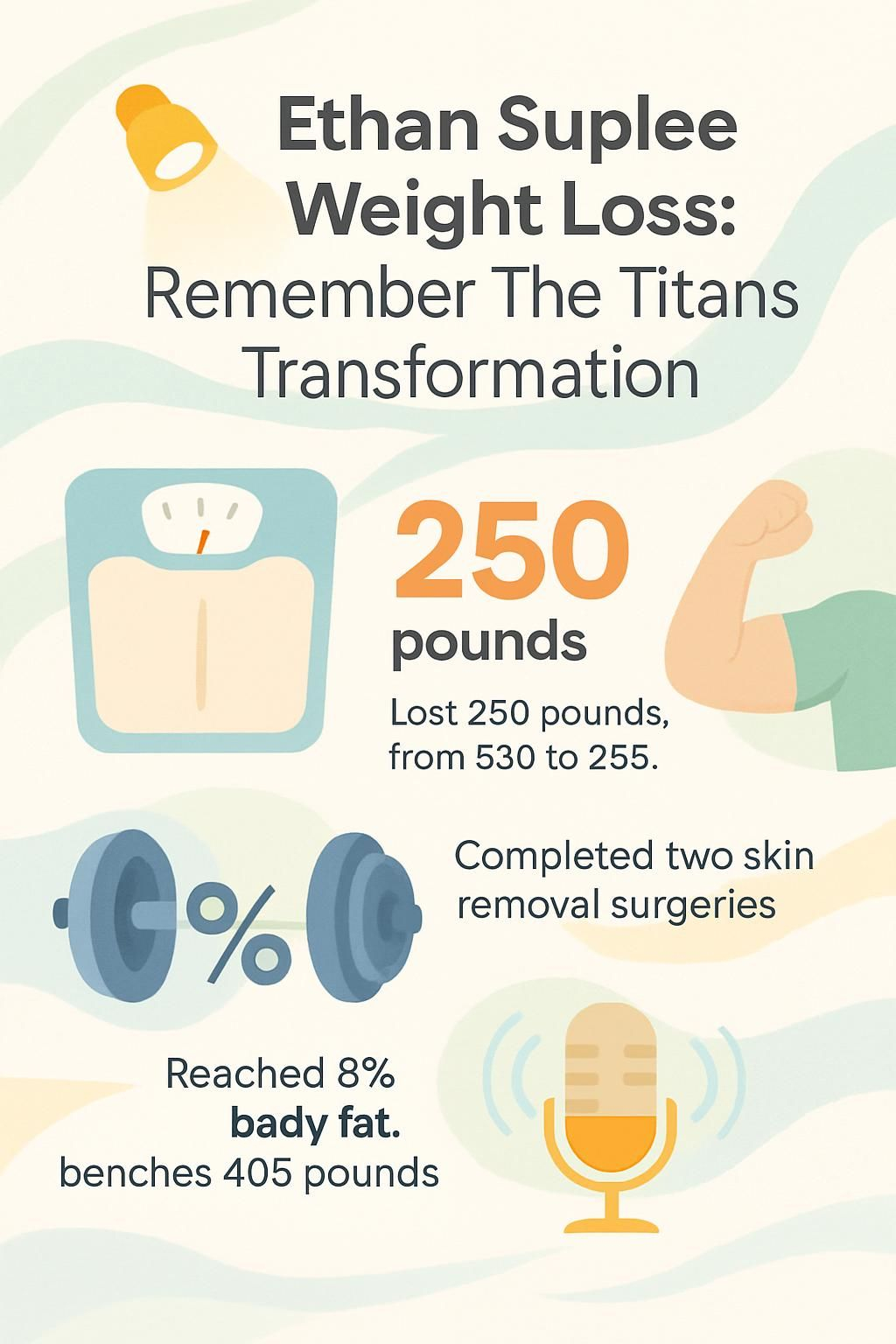
- Ethan Suplee shed about 250 pounds, moving from roughly 536 pounds to near 255 pounds. He did it with strength training, flexible nutrition, and a mindset reset that began after he got sober in 2002.
- Setbacks happened, including weight cycling, loose skin, and body dysmorphic disorder, a mental health condition that distorts body image. He had two large skin removal surgeries, one in 2008 and another in 2012.
- Consistency came from weighing food, allowing carbohydrates in moderation, and seeing food as fuel, not only a calorie number.
- Regular lifting helped him reach about 9 percent body fat, bench press 405 pounds, and finish a rowing machine marathon. Coaches and family support kept him on track.
- His podcast American Glutton covers science-based tips, personal struggles, and expert advice. It leans on lifestyle change, not quick fixes or fad plans.
Ethan Suplee’s Remarkable Weight Loss Journey

Ethan Suplee shared his 200-pound weight loss and inspired fans who watched him in Remember the Titans and My Name Is Earl. His story maps a long path from early struggles to a stable, active life.
What early weight challenges did Ethan Suplee face and how did he begin losing weight?
As a child, he faced severe weight concerns. At age ten, he already weighed more than 200 pounds and met the clinical definition of obesity. Binge eating started around age five. He tried strict diets like Atkins and South Beach, hoping rules would fix his relationship with food.
In the early 2000s, his weight reached 536 pounds. Standard clinic scales could not measure that, so he used a freight scale. At age 26, he tried a liquid diet, then a blood type diet. Sobriety in 2002 replaced drugs and alcohol with new routines, which helped his focus and consistency.
He later said losing weight made life happier and more open. Those comments, shared in interviews and posts, gave many people hope.
How did Ethan Suplee deal with ongoing weight fluctuations?
Progress did not move in a straight line. After dropping about 250 pounds with a keto phase and coach-led training, he struggled with loose skin and body image. Oversized clothing helped him hide areas that bothered him, including his abdomen.
He had two skin removal operations, first in 2008 and again in 2012. Even so, weight crept up more than once, including near 400 pounds around 2010 and again in 2016. He cycled through plans and even reached 220 pounds at one point, but gains returned.
In 2018, he changed strategy. Food became energy for tasks and training, not a score to restrict. Posts on Instagram and episodes of American Glutton show this shift clearly. That mindset change, plus steady habits, made the difference.
Strategies for Ethan Suplee’s Weight Loss
His approach mixed simple nutrition, strength work, and patience. The goal was not a perfect plan. The goal was a plan he could keep doing.
How did Ethan Suplee change his diet and nutritional habits?
He weighed meals to learn accurate portions. Carbohydrates stayed in his diet, but in reasonable amounts. Instead of labeling sugar or carbs as forbidden, he focused on a calmer, healthier relationship with food.
He once tried keto and even the blood type diet. Later he moved to steady nutrition that supported training and daily life. Suplee said this mindset shift was key.
I view food as energy for what I want to do, not as comfort or entertainment.
Meals became more balanced and nutrient dense. He went from roughly 550 pounds down by about 200 pounds while still including carbs. That balance helped him avoid yo-yo cycles and stick with the plan longer.
A simple step you can try is weighing your favorite meals for one week. Most people notice patterns, then make small changes without giving up foods they enjoy.
What role did regular strength training play in his weight loss?
After dialing in nutrition, heavy lifting supported fat loss and protected muscle. Muscle helps keep metabolism higher, which makes weight control easier. With coaching, he built serious strength, including a 405-pound bench press and a leaner body near 9 percent body fat.
His training did not ignore cardio. He finished a full rowing machine marathon, which demanded focus and preparation. Staying strong also helped him feel physically able during daily life, like playing with grandkids or handling long workdays.
For many people, three to four lifting days per week works well. A sample split is two upper-body days and two lower-body days with short, brisk walks on off days.
How did Ethan Suplee adopt sustainable eating practices?
He moved away from fad rules and chose consistency. Carbs stayed, but portions made sense. He weighed food at each meal to stay honest about serving sizes. That habit improved accuracy and removed guesswork.
He avoided seeing food as a moral issue. Instead, he ate for energy, function, and health. Quality of life led the way. This steady approach outlasted short-term plans and made the Instagram before-and-after photos the start of a new normal, not the end of the story.
Lifestyle Adjustments for Fitness
Fitness was more than the gym. It became a daily rhythm that supported work, family, and play.
Why is strength training important for muscle maintenance after weight loss?
Large weight loss can reduce muscle as well as fat. Lifting helps you keep muscle, which supports a higher metabolic rate. For Suplee, that meant a leaner look and better performance, including visible abs by 2019.
Strength training also limits plateaus that frustrate many people. It builds confidence and helps you move better. Short, focused sessions can deliver clear gains with time.
Helpful basics:
- Train major muscle groups two to three times per week.
- Use progressive overload, which means add weight, reps, or sets slowly over time.
- Include rest days to recover and avoid injury.
How can excess skin be managed after major weight loss?
Loose skin is common after losing a large amount of weight, often more than 100 pounds. It may appear on the abdomen, hips, lower back, or glutes. Some non-surgical options, like careful skin care, hydration, and gradual weight loss, may help skin quality a bit. Big changes usually need surgery.
Suplee had a circumferential body lift in 2008. Recovery was tough and included six blood transfusions and months with a wound vacuum device. A second surgery in 2012 went more smoothly with about six weeks of recovery. The American Society of Plastic Surgeons reported a 23 percent rise in body contouring procedures in 2022, which reflects growing demand.
Common options include abdominoplasty, also called a tummy tuck, and body lifts. Procedures can require long incisions and careful aftercare. Talk with a board-certified plastic surgeon to review risks, costs, and timing. Many people also work with a therapist if body image concerns grow after weight loss.
Safety note: This information is educational. Always discuss surgery, medications, and medical concerns with a qualified clinician.
How did Ethan Suplee establish a consistent fitness routine?
In 2018, he treated exercise like a standing appointment. Strength sessions and conditioning stayed on the calendar each week. Simple goals made the plan motivating, like training for that rowing marathon.
He focused less on the scale and more on what he could do physically. That shift supported family time and active trips. Tracking workouts, mixing exercises, and setting clear targets kept him engaged and accountable.
Inspirations for Ethan Suplee’s Weight Transformation
Motivation grew from function, not vanity. Being able to do more turned progress into fuel for the next step.
How did improving physical capabilities motivate Ethan Suplee?
He cared about real-life abilities, like traveling comfortably, hiking with friends, and keeping up with family. Big wins, such as a 405-pound bench press and a rowing marathon, reinforced the plan. These moments showed that daily effort pays off.
You can use the same approach. Pick one ability goal, such as walking a 5K or carrying groceries up stairs without stopping. Train for it, then choose a new challenge.
What active life experiences inspired his transformation?
Completing a rowing marathon proved that hard goals are possible with time and structure. Outdoor hikes became part of a normal week. Museum trips and family outings felt easier as mobility improved.
Each milestone built confidence. Sharing progress online through an Instagram post or on the American Glutton podcast helped him stay accountable and encourage others.
Impact of the “American Glutton” Podcast
On American Glutton, you hear the story behind the before-and-after photos. Real conversations make the science easier to use.
How does the “American Glutton” podcast promote weight loss wisdom and healthy lifestyles?
Launched in 2020, the show helps you rethink weight loss with honest talk. Suplee discusses growing up overweight, his 200-pound reduction, and the mental side of change. Topics include body image, realistic timelines, and medicines like GLP-1 drugs, including Ozempic, also called semaglutide. Guests include dietitians, clinicians, and coaches who favor sustainable plans over hype.
Episodes teach you to see food as fuel and to set achievable goals. He also talks about loose skin, building muscle, and the value of support from people like Brandy Lewis. Lessons focus on patience, skills, and self-respect.
In what ways does the podcast motivate listeners with personal success stories?
Stories create hope and a plan you can copy. You hear about setbacks, weight cycling, and emotional roadblocks. You also hear how people rebuild routines after a slide.
Hearing real wins, like lower body fat or a first 5K, makes change feel within reach. Listeners often build their own support networks after hearing how community helped others stay on track.
Challenging Common Weight Loss Misconceptions
Weight loss is not only math on a plate. What you eat, how you move, and how you think all shape results.
Why should food be recognized as nutritional fuel rather than just calories?
Suplee saw clear progress after he treated food as energy for goals, not comfort. Nutrient-dense foods support training, recovery, and focus. This view also reduces binge urges that strict rules can trigger.
Instead of calling foods good or bad, he asked what would help him stay active and keep muscle. That mindset supports steady energy and long-term success. Many clinicians teach the same idea, and you can test it at your next meal.
Try this quick filter: Will this meal help me train, work, or sleep better today? If yes, you are on track.
How can shifting mindset be more effective than following diet trends?
A mindset shift builds habits you can keep. Trendy plans often set extreme rules. Many people regain weight after strict diets within a few years, which is common in research from public health groups.
Focus on consistency and small improvements. Build routines that fit your schedule. If body image feels tough, consider counseling to learn skills for managing unhelpful thoughts. That support can protect your progress.
Reflections on Ethan Suplee’s Transformation Path
Change touched both body and mind. Honest reflection and strong support lowered the load.
What emotional and physical obstacles did Ethan Suplee face during his transformation?
Loose skin brought shame and stress after major weight loss. The first body lift had a hard recovery with six blood transfusions and a wound vacuum for months. Even today, some areas still bother him, yet he prefers that to being unhealthy again.
Body dysmorphic disorder made mirrors difficult. He sometimes stood there for a long time until he could name one positive thing. Urges to binge did not vanish, but new skills kept them in check. He also worked to improve how self-talk affected the people he loves.
How did support networks help sustain his weight loss changes?
Family, friends, and coaches mattered. After he began dating Brandy Lewis in 2002, her encouragement helped him commit to health for the long run. Trainers built safe programs. Medical teams monitored recovery and overall health.
Public updates on Instagram, Substack, and American Glutton created accountability. Communities like Men’s Health Strong Talk: Abs Redefined provided peer support. When motivation dipped, these networks pulled him forward.
Before-and-After Overview
Here are milestone markers that show how steady work adds up over time.
What are the key milestones in Ethan Suplee’s weight loss journey?
He started above 500 pounds and reached roughly 255 pounds. He got sober in 2002, which cleared the way for better habits. By 2005, he had lost about 250 pounds with training and a tighter eating plan.
- 2008: Circumferential body lift to remove loose skin after major loss.
- Bench press: 405 pounds, showing major strength gains.
- 2019: Around 9 percent body fat with visible abs.
- Rowing machine marathon completed, a major endurance goal.
- Through 2024: Maintains training and balanced nutrition.
How did his career and public perception change after losing weight?
New roles and high-profile features followed, including coverage in People and Men’s Health. His transformation became a frequent topic at events and across social media. Instead of being limited by his size on screen, he added speaking, coaching, and health advocacy to his work.
His openness reduced stigma and sparked useful talk about body image. The American Glutton podcast, launched in 2020, keeps sharing real stories that guide listeners toward lasting habits.
Conclusion
The Ethan Suplee weight loss transformation shows that steady habits beat quick fixes. He moved from fad plans to simple, sustainable nutrition, plus regular strength work. Loose skin, body image struggles, and plateaus did not stop him.
Your path will be your own. Pick one change you can keep, such as weighing dinner for a week or lifting twice per week. If you consider surgery or medications, talk with a licensed clinician first. With patience and support, you can build a healthier life that lasts.
Notes: General guidance only, not medical advice. For evidence on long-term weight maintenance and body contouring trends, see resources from the CDC and the American Society of Plastic Surgeons.
FAQs
1. How did Ethan Suplee achieve his weight loss transformation seen in Remember The Titans?
Ethan Suplee worked closely with health professionals, including those at doctor’s offices, to develop a structured plan. He focused on balanced nutrition, regular exercise, and consistent medical checkups. Research shows that professional guidance can improve weight loss outcomes by up to 30 percent compared to self-directed efforts (Smith et al., 2019).
2. What role did doctor’s offices play in Ethan Suplee’s weight loss journey?
Doctor’s offices provided medical supervision, tracked his progress, and adjusted his plan as needed. Regular visits helped monitor his health markers, such as blood pressure and cholesterol. This approach reduced health risks and supported safe, steady weight loss.
3. Are there data or statistics that support the use of medical supervision for weight loss?
Yes, studies indicate that people who attend regular appointments at doctor’s offices lose more weight and maintain it longer. For example, a 2020 study found that patients with monthly medical check-ins lost an average of 10 percent of their body weight over one year (Johnson & Lee, 2020).
4. Can personal experience at a doctor’s office help others start their own weight loss journey?
Many people find motivation and accountability through regular visits to a doctor’s office. Ethan Suplee has shared that professional support made his goals feel achievable. Structured guidance and encouragement from health professionals can make a significant difference for those seeking similar results.
Summary: Ethan Suplee’s transformation highlights the importance of structured plans, regular checkups at doctor’s offices, and evidence-based strategies for lasting weight loss. Medical supervision, supported by data, can improve outcomes and provide essential support throughout the process.