Effective Weight Loss Exercise: Shed Fat With Aerobic Workouts
Our Nutrition Assistant AI Suite will transform your body. You will lose fat, get toned, and build muscle. Gain confidence and optimal health.
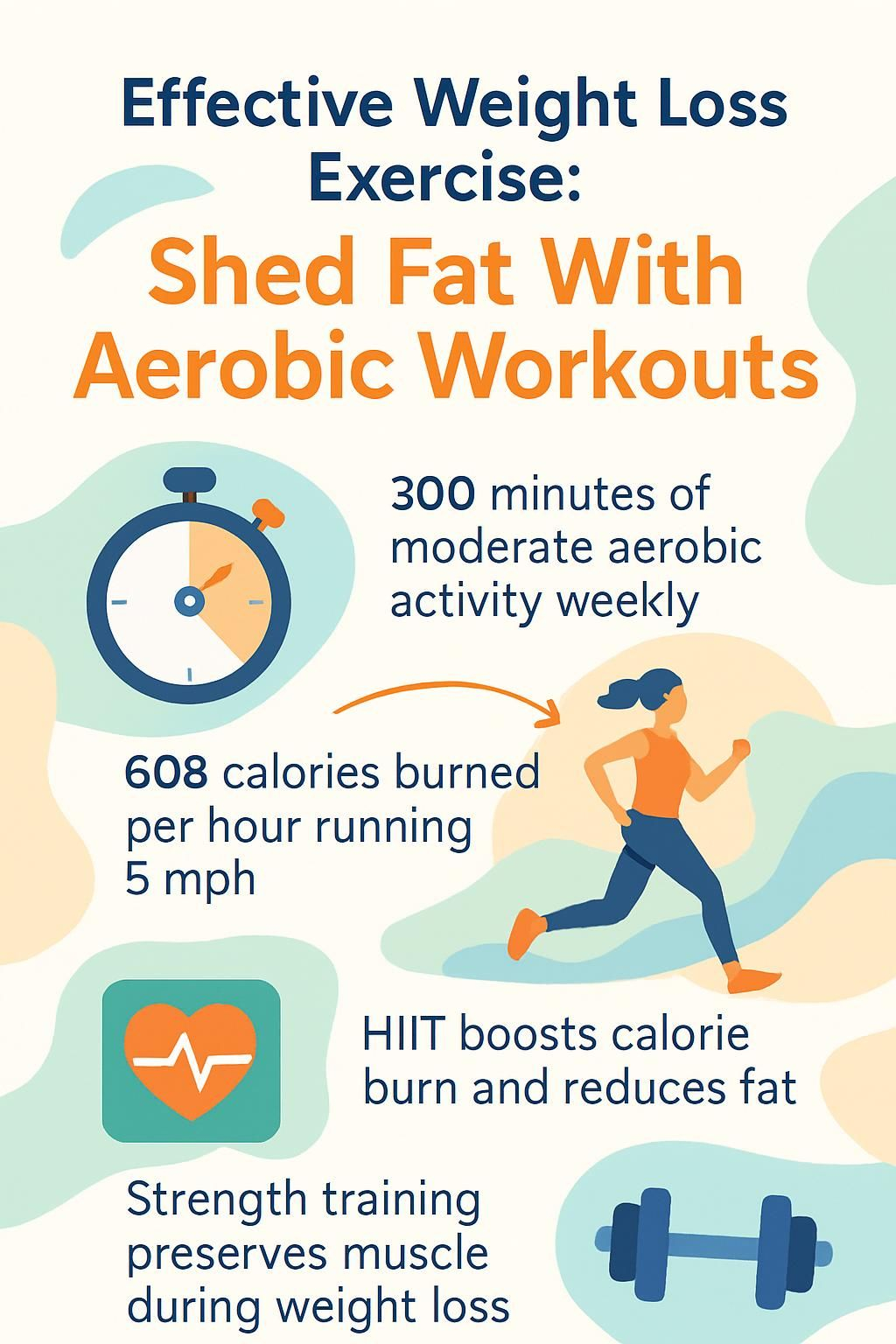
Finding an exercise for weight loss that fits your schedule can feel hard. Research shows that 300 minutes of moderate aerobic exercise each week can help you burn calories and reduce body fat.
This guide shows how cycling, jogging, swimming, and other aerobic options support fat loss. You will see what works, why it works, and how to keep results steady over time.
Key Takeaways
- Plan for about 300 minutes per week of moderate cardio like brisk walking, cycling, or swimming to support steady fat loss.
- A 160-pound person may burn about 606 calories per hour running at 5 mph, with metabolism staying higher for up to 24 hours after hard sessions.
- Pairing strength training with cardio helps protect lean muscle and raises basal metabolic rate, which supports long-term weight control.
- HIIT and Tabata raise calorie burn during and after training, and they are effective for trimming visceral fat around the waist.
- Organizations such as the Mayo Clinic and the U.S. Department of Health and Human Services support regular aerobic activity to lower risks of obesity, type 2 diabetes, and cardiovascular disease.
Why Aerobic Workouts Are Effective for Weight Loss

Aerobic exercise helps you lose weight because it raises the number of calories you burn in each session. These workouts also increase your metabolic rate, the speed at which your body uses energy at rest.
How does aerobic exercise burn calories?
During aerobic exercise, your muscles use oxygen to turn carbohydrates and fats into usable energy. That energy is measured in calories. The harder you work, the more calories you burn.
Calorie burn varies by body weight, effort, and activity type. For a 160-pound person, typical hourly burns look like this:
- Brisk walking: about 300 to 350 calories per hour
- Running at 5 mph: about 606 calories per hour
- Cycling: roughly 400 to 750 calories per hour, based on speed and resistance
- Swimming laps, moderate pace: about 423 calories per hour
These activities raise your heart rate and engage large muscle groups. That combination boosts calorie burn during the workout and can keep it slightly higher after you stop.
Every step counts when trying to lose weight with regular exercise.
How does aerobic exercise boost metabolism?
Metabolism is your body’s engine for using energy. Cardio like jogging, running, and high-intensity interval training, called HIIT, increases calorie use during the session and for many hours afterward. This afterburn effect is called excess post-exercise oxygen consumption.
Building muscle through strength training also raises basal metabolic rate, which is the energy your body needs at rest. Combining weights with cardio helps you burn more across the whole day. Studies in adults with excess weight suggest aiming for about 60-minute sessions, three times per week, to support changes in body composition.
Regular walking or cycling raises daily energy output. Over time, that helps reduce body fat in a sustainable way. I noticed a quicker waist change when I paired gentle strength work with three weekly cardio days.
Benefits of Aerobic Workouts for Fat Loss
Aerobic workouts help lower fat mass by turning up daily calorie burn. They also support healthy weight, cut disease risk, and improve energy.
How do aerobic workouts improve cardiovascular health?
Swimming trains your whole body while easing stress on hips and knees. It improves heart health and suits people with joint pain. Guidance from groups such as the Mayo Clinic and the Obesity Action Coalition links regular swimming with lower risk of heart disease and type 2 diabetes.
Moderate activities like brisk walking, biking, and swimming strengthen your heart muscle and improve circulation. Aerobic dance and even heavy yardwork can aid healthy blood vessels and support better cholesterol and triglyceride levels.
- Ballroom dancing: about 219 calories per hour at 160 pounds
- Elliptical, moderate pace: about 365 calories per hour
- Downhill skiing: about 314 calories per hour
These activities are tied to lower cardiovascular disease risk and improved blood lipids.
“Physical activity like swimming and brisk walking plays a major role in reducing risk factors for heart disease and type 2 diabetes.”
How do aerobic workouts enhance endurance and stamina?
Better heart health lays the base for stronger endurance. Regular cycling or brisk walking trains your lower body and helps you sustain a steady pace for longer periods.
Jogging can keep metabolism slightly higher for up to 24 hours. Dance classes build endurance while you burn many calories. Hiking adds a natural challenge and keeps your mind engaged.
Consistency matters. Start with 20 to 30 minutes after weight training or as a separate session. Water aerobics gives a low-impact option to build stamina safely. As fitness improves, increase intensity or time so your body adapts without hitting a plateau.
How do aerobic workouts promote sustainable weight loss?
Endurance work makes daily movement easier, which helps you burn more calories each day. This routine protects against weight regain because it raises energy use throughout the week.
Aerobic exercise supports fat loss in adults. The American Council on Exercise suggests at least 150 minutes per week of moderate activity or 75 minutes of vigorous activity. Raising that to 300 minutes per week can produce even greater benefits.
Dieting without strength work can cause muscle loss, especially in older adults. Combining resistance exercise with cardio protects muscle and bone while lowering body fat. I maintained results better with four workouts per week than with short-term diets. Studies also show that staying active after a weight-loss program helps prevent regain.
Regular aerobic sessions help trim waist circumference and reduce visceral fat around organs. This improves insulin sensitivity and supports heart health over time.
How do aerobic workouts reduce visceral fat?
Visceral fat is the deeper fat that surrounds your organs. Cardio creates a calorie deficit over time, and your body responds by using stored fat for energy. Research in middle-aged women shows that steady efforts like jogging, brisk walking, swimming, and cycling can lower visceral fat stores.
HIIT is especially effective for belly fat because it raises calorie burn during and after the workout. Mind-body training such as yoga or Pilates may help by improving core strength and encouraging mindful eating.
Guidance from Harvard Health Publishing and the United Kingdom’s National Health Service supports aerobic activity as a strong choice for weight loss and for reducing harmful abdominal fat. Regular cardio also supports energy balance and better insulin response.
Best Aerobic Exercises for Weight Loss
The best exercises for weight loss raise calorie burn, help you follow a routine, and fit your lifestyle. Choose options you enjoy so consistency stays high.
Is walking effective for weight loss?
Yes. A 30-minute brisk walk can add about 150 extra calories burned per day. At 3.5 mph, a 160-pound person burns around 314 calories per hour.
Walking counts as moderate physical activity under U.S. guidelines. It is joint friendly and works for most fitness levels. You can walk outdoors or on a treadmill at the gym.
Increase distance or pace as you improve. Pair regular walks with a healthy diet to support weight loss and better metabolic response. Evidence from Georgia Highlands College shows both walking and jogging can manage body weight. I began with three weekly walks and saw stamina and BMI improve within months.
Should I choose jogging or running for fat loss?
Jogging and running both qualify as vigorous activity under U.S. guidelines. For a 160-pound person, running at 5 mph burns about 606 calories per hour. That makes it a strong tool for improving body composition.
Jogging can keep metabolism slightly elevated for up to a day, which helps with ongoing fat burn. Jogging suits beginners returning to fitness. Running is effective for experienced exercisers who want higher calorie burn in less time.
All you need is a good pair of shoes. Many people alternate jogging and running to form interval-style workouts, which can further raise burn per minute. Both options build skeletal muscle, improve endurance, and support weight loss across fitness levels.
How does cycling help with weight loss?
Cycling burns many calories per hour and is gentle on the joints. A 160-pound person can expect roughly 400 to 750 calories per hour depending on speed, terrain, and resistance. Leisure cycling under 10 mph is about 292 calories per hour.
Indoor exercise bikes offer convenience and weather-proof training. Evidence suggests moderate cycling improves body composition in sedentary adults with excess weight. I switched to cycling four days per week after a knee issue and noticed better stamina and a smaller waist in a month.
Mayo Clinic lists cycling as an effective calorie burner that supports sustainable weight control. Swimming offers similar benefits if you want another low-impact option.
Can swimming aid in shedding fat?
Swimming is a full-body workout that uses many muscle groups at once. A 160-pound person can burn about 423 calories per hour during light to moderate lap swimming. Different strokes, such as breaststroke, backstroke, butterfly, and freestyle, allow you to vary intensity.
Freestyle can increase calorie burn and help create a daily deficit, which is key for fat loss. Water supports your body, so swimming is a smart pick if you have knee or back pain.
Groups like the Obesity Action Coalition and Mayo Clinic highlight swimming for lowering heart disease and type 2 diabetes risk. Adding three weekly water aerobics sessions, about 402 calories per hour, helped me tone up and shrink visceral fat faster than walking alone.
Swimming can also improve blood lipids and reduce stress. Those changes support better body composition during a weight loss plan.
What are the benefits of jumping rope for weight loss?
Jumping rope is a fast, efficient way to burn calories. Many people can burn about 10.8 to 13.9 calories per minute, which tops treadmill walking in the same time.
Piedmont Healthcare calls it a calorie-efficient workout with minimal equipment needs. It trains arms, legs, and core while boosting coordination. You can do it at home, outdoors, or while traveling.
Use steady effort for moderate cardio or add intervals for HIIT. This flexibility helps you lose weight and raise fitness in short sessions.
How do dance workouts contribute to fat loss?
Dance workouts blend endurance, coordination, and calorie burn. Aerobic dance can qualify as vigorous activity depending on pace. Adjust the frequency and intensity to match your goals and comfort.
For a 160-pound person, ballroom dancing burns about 219 calories per hour. Other styles, such as Zumba or hip hop, can range from about 6.4 to 13.2 calories per minute based on effort. Group classes add social support that helps consistency.
Variety keeps you engaged and limits plateaus. Studies, including meta-analyses, report favorable changes in body composition and waist measures in adults with obesity after regular dance training. Dance also supports heart health, lowers stress, and can reduce visceral fat.
High-Intensity Aerobic Exercises
High-intensity cardio can burn up to about 17 calories per minute in trained individuals. Short sessions can deliver strong results for fat loss and heart fitness.
What is High-Intensity Interval Training (HIIT)?
HIIT alternates hard efforts with easier recovery periods. You can run, cycle, or jump rope for the hard intervals, then slow down to recover.
One example: sprint 30 seconds, then walk or pedal lightly for 60 seconds. Many trainers advise building a base first since HIIT is not ideal for brand-new beginners.
Studies show your body can keep burning extra calories for up to 24 hours after HIIT. Sessions are often shorter, yet the post-exercise burn can be greater than with steady-state cardio. Last year, adding HIIT helped me burn more in less time and improved my stamina.
How do sprint intervals help burn fat?
Sprint intervals ask for near-maximum effort in short bursts. This method quickly raises your heart rate and can reach about 11.6 calories per minute, which is higher than many steady-state options.
The afterburn effect, called EPOC, keeps metabolism elevated for a period after training and supports fat use. You can sprint with running, cycling, or jumping rope. Keep the work segments intense and the recoveries brief.
Research shows sprint intervals help reduce visceral fat. They suit people with a fitness base. Allow rest days between sessions to reduce injury risk and keep progress moving.
What are Tabata workouts and their benefits?
Tabata is a specific HIIT style. It uses 20 seconds of intense work followed by 10 seconds of rest, repeated for 4 minutes total.
Movements can include burpees, jumping jacks, or cycling sprints. Eight rounds keep your heart rate high and can reach about 12 to 15 calories per minute depending on the exercise and your effort.
Tabata can boost calorie burn and increase metabolism after the session. Studies suggest improvements in both aerobic and anaerobic fitness. After a few weeks, many people report stronger endurance and higher stamina. Because it is demanding, start with care if you are new to vigorous training.
Low-Impact Aerobic Workouts Suitable for Beginners
Low-impact options burn calories while protecting your joints. These choices are helpful for beginners and for adults with higher body weight who want a gentler start.
How does brisk walking support weight loss?
Brisk walking is a moderate-intensity activity supported by groups like the Mayo Clinic and Georgia Highlands College for weight control. A 30-minute daily walk can add about 150 extra calories burned.
At 3.5 mph, a 160-pound person burns roughly 314 calories per hour. Over time, this can help reduce body fat and support healthy weight management.
It requires no special gear and fits most schedules. Increase frequency or duration as you get fitter. Many people use brisk walking as a first step before moving to higher-intensity choices such as jogging or cycling.
What are the benefits of elliptical machine exercises?
Elliptical workouts offer a low-impact way to train heart and muscles. At a moderate pace, a 160-pound person can burn about 365 calories per hour.
Adjustable resistance and incline let you raise intensity as you improve. Using the handles brings in upper body muscles, which increases total output.
Ellipticals are helpful if you have joint pain or a lower body injury. Most gyms have them, so you can add variety without learning complex movements.
How can water aerobics aid beginners in fat loss?
Water aerobics gives beginners a safe start. A 160-pound person can burn around 402 calories in an hour-long class.
Water supports your body and reduces joint stress. At the same time, water resistance makes your muscles work, which increases intensity without impact.
Community pools and fitness centers often host classes. Group sessions promote accountability and steady attendance. Water aerobics improves cardiovascular endurance and muscle tone, which supports metabolism and weight loss over time.
Combining Aerobic Workouts with Strength Training
Pairing cardio with strength work helps you burn more calories and protect lean muscle. This combination supports steady fat loss and better body composition.
Why build muscle while losing fat?
Muscle tissue uses more energy than fat tissue. Gaining or maintaining muscle raises your basal metabolic rate, which helps you burn more at rest.
Strength training prevents loss of lean mass during a calorie deficit and supports long-term weight maintenance. It also helps protect bone density and improves daily function.
When I added two short weight sessions to my weekly walks, I felt more energetic and saw a steady drop in waist size.
What strength training exercises complement aerobic workouts?
Focus on simple movements that train major muscle groups. A sample mix includes:
- Lower body: goblet squats, hip thrusts, walking lunges, stiff-leg deadlifts, calf raises
- Upper body: bench press, dumbbell pullover, Arnold press, curls, triceps extensions, bent-over rows, reverse flys
- Core: plank holds, sit-ups, oblique crunches
Try 2 sets per movement. Use about 10 reps for heavy lifts like the bench press and 20 reps for lighter moves like bodyweight squats. Resistance bands and climbing can add variety.
Split routines into upper and lower days and include core on each. Aim for quality sleep, stretching, and mobility work to recover. Protein or creatine can help some people support muscle while continuing aerobic training.
Tips for Maximizing Results from Aerobic Workouts
Small planning steps help your results. Set a weekly schedule, track effort, and give yourself time to adapt.
How often and how long should I exercise for weight loss?
Target at least 150 minutes of moderate cardio or 75 minutes of vigorous cardio per week. For larger benefits, work up to 300 minutes of moderate activity or 150 minutes of vigorous activity weekly.
A practical plan is four days per week for 45 to 60 minutes each. Beginners can start with 20 to 30 minutes. Walking can reach about 7.6 calories per minute at higher speeds, while moderate cycling averages around 8.2 calories per minute.
Add strength training twice per week to protect muscle and support fat loss. Include rest days to recover and reduce injury risk. I began with three 30-minute brisk walks weekly, then added running and jumping rope, which can reach about 9.7 calories per minute.
Why are warming up and cooling down important?
A warm-up prepares your heart, lungs, and muscles. Use light movement and dynamic stretches to raise body temperature and reduce injury risk.
Cooling down lowers your heart rate safely after running, cycling, or swimming. Static stretching helps reduce stiffness and supports recovery. After hard intervals or HIIT, a proper cool-down is even more useful. Skipping it once left me very sore after a dance class, so I always stretch now.
How can I stay consistent and set realistic fitness goals?
Set small, clear goals you can meet. For example, aim for three cardio sessions this week, then increase time or intensity later.
Track progress with a notebook or simple app. Celebrate weekly wins, like completing all planned sessions. Plan rest days to avoid burnout, especially if you train both cardio and strength. As endurance improves, add time or try another activity such as cycling, swimming, or water aerobics. Support from friends or an online group can keep motivation high.
Common Mistakes to Avoid During Aerobic Exercise
A few missteps can slow progress. Stay alert to your body and use safe technique.
What are signs of overtraining and burnout?
Watch for constant fatigue, lower performance, sore muscles that never ease, or a rising resting heart rate. Mood changes and sleep trouble can appear if you push intensity or frequency too fast.
Skipping rest days increases injury risk and may lead to quitting exercise. Lack of recovery, poor sleep, and no stretching make overtraining more likely. Balancing hard days with easier ones helps you stay on track.
Why is proper form and technique crucial in aerobic workouts?
Good form prevents strain and directs effort to the right muscle groups. For instance, weak running posture can load your knees and hips, which may cause pain and setbacks.
Fast, high-impact moves like jumping rope and HIIT need careful mechanics. Learn positions at an easy pace before you increase speed or resistance. Short videos or a coach can help you progress safely and steadily.
The Role of Nutrition in Supporting Aerobic Workouts
Nutrition fuels your training and recovery. A balanced plan can enhance fat loss and protect health. For general guidance, national sources such as HHS and the CDC offer helpful recommendations.
What should I eat for energy and recovery?
Eat a mix of carbohydrates and protein one to two hours before training. Carbs power your session, and protein helps protect and repair muscle. A simple option is oatmeal with berries plus a hard-boiled egg.
Hydrate well. A practical target is about half your body weight in ounces of water per day, adjusting for heat and workout length. After training, eat lean protein, like grilled chicken, plus a healthy carbohydrate such as brown rice within an hour.
Some people use protein powder or creatine to support recovery. Avoid skipping meals or cutting calories too sharply, which can slow progress. A basic multivitamin may help in a calorie deficit, though food sources should come first.
How to balance macronutrients for effective weight loss?
Start by estimating daily calorie needs with a basal metabolic rate calculator. Aim for a moderate deficit, usually 500 to 750 calories per day, for steady fat loss.
Distribute calories among the three macros: protein, carbohydrates, and fats. Protein from chicken, fish, tofu, or Greek yogurt supports muscle. Carbs from whole grains and fruit fuel cardio days. Healthy fats from avocados and nuts aid hormone health.
Adjust the mix based on your training. Heavier cardio blocks may need more carbs. Use an app to track intake so you can fine-tune for better results.
Tracking Progress and Staying Motivated
Tracking shows what is working. Small wins keep you engaged when energy dips.
How can fitness apps and wearables help track progress?
Apps and wearables log workout time, heart rate, and intensity. Many estimate calories burned and daily steps. Some tools also track food and water so you can view training and nutrition together.
Looking at weekly and monthly trends helps you adjust goals. Social features can provide encouragement from friends. Seeing my daily step count rise helped me keep up my cardio routine and monitor fat loss more accurately.
Why is celebrating milestones important for motivation?
Milestones reinforce consistent effort. Reward yourself for dropping five pounds, extending your run, or completing a month of planned workouts.
Track both scale and non-scale victories, such as better sleep or more energy. Share progress with friends or a fitness community for extra support. Clear milestone goals add structure and keep your plan moving forward.
Conclusion
Aerobic exercise is a proven path to weight loss. Walking, cycling, swimming, or HIIT can increase calorie burn, elevate metabolism, and support heart health.
Adding strength training protects muscle while you trim fat. Pair smart training with balanced nutrition, then track your progress and celebrate small wins. With steady effort, you can reach your goals safely and maintain a healthy weight.
FAQs
1. What are the most effective aerobic workouts for weight loss?
Running, brisk walking, cycling, and swimming rank among the top aerobic activities for burning calories and reducing body fat. Studies show that consistent participation in these exercises increases energy use and supports long-term weight management.
2. How often should I do aerobic exercise to shed fat?
Experts recommend at least 150 minutes of moderate-intensity or 75 minutes of vigorous-intensity aerobic activity each week for noticeable fat loss. Splitting this time across several days helps maintain a steady calorie burn while lowering injury risk.
3. Does combining strength training with aerobic workouts improve weight loss results?
Research indicates that pairing resistance training with regular cardio leads to greater reductions in body mass compared to either method alone. This combination preserves muscle tissue during fat loss and boosts metabolism over time.
4. Can personal experience confirm the benefits of regular aerobic exercise for losing weight?
Many individuals report improved stamina, lower waist measurements, and better mood after adding routine cardio sessions like cycling or swimming into their schedules. These real-life accounts align with scientific findings on increased calorie expenditure from sustained movement.
Summary: Aerobic activities such as running or swimming help reduce excess body mass when performed regularly alongside healthy eating habits and strength routines; both research data and personal stories support these outcomes.